















The Shape of Modern Attacks
A typical breach at a small or mid-sized organization does not start with a dramatic hack. It starts with an ordinary moment: an employee enters a password into a fake sign-in page, a laptop misses an update, or someone approves a payment change requested by an email that looked routine. The Verizon Data Breach Investigations Report consistently shows the human element at the center of most breaches, and smaller organizations remain frequent targets because attackers expect less resistance.
Because attacks come through so many doors, protection cannot be a single lock. Morgantown organizations need several safeguards that overlap, so the gap left by one is covered by another.
Each Layer Has a Job
Before the click
Email security screens incoming messages for phishing, impersonation and dangerous attachments. Security awareness training prepares staff to recognize what the filter misses, and to verify unusual requests by phone before acting.
After the click
DNS protection blocks connections to known malicious domains even when a link is opened. Endpoint detection and response watches running processes for ransomware-like behavior and can isolate a device before damage spreads.
At the door
Multi-factor authentication requires a second proof of identity, so stolen passwords alone do not open accounts. Regular patching removes the software weaknesses attackers exploit without needing any user mistake.
When all else fails
Backup and disaster recovery with isolated, tested copies lets the organization restore its data rather than negotiate for it.
Grounded in Recognized Frameworks
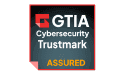
Wolf builds and measures its managed security program against the NIST Cybersecurity Framework and the CIS Controls. Those standards give leadership a clear vocabulary for discussing risk and give insurers and auditors a reference they already trust. Clients handling health information receive HIPAA alignment on top of the same base. Wolf itself holds the GTIA Cybersecurity Trustmark, reflecting independent review of our own practices.
People Behind the Tools
Security tools produce alerts at all hours. Wolf's team monitors client environments 24/7 and responds to business-critical issues in a 6-minute average, with a 60-minute response time guarantee. In practice, that means a suspicious sign-in at a Morgantown office late on a Friday is investigated that night, not discovered the following week. Layers, standards and constant attention together are what make security work for organizations that cannot staff their own security operations team.
Leadership also gets visibility. Regular reports summarize device protection, patch status, blocked threats and training participation, giving owners a factual basis for conversations with insurers, auditors and their own boards about how risk is being managed.