
















Old Assumptions, New Attacks
For years, a small business could install antivirus, keep a firewall in the closet and consider security handled. That approach no longer holds. Attacks today are automated and indiscriminate, scanning every organization with an internet connection for weak passwords, unpatched software and staff who might click the wrong link. A professional office or manufacturer in Wheeling is just as visible to those tools as any corporation, and usually far less defended, since few smaller firms can staff a security team of their own.
The entry point is still most often a person rather than a piece of code. Phishing, stolen credentials and social engineering appear again and again in the Verizon Data Breach Investigations Report. Antivirus alone does nothing to stop someone from typing a real password into a fake login page.
What Replaces It
Modern protection is a set of overlapping controls, each one covering a different stage of an attack. Wolf's managed security combines them so that a failure in one place is caught somewhere else:
- Email security intercepts phishing and impersonation before messages arrive.
- DNS protection blocks connections to dangerous sites, even after a click.
- Multi-factor authentication stops stolen passwords from being enough to log in.
- Endpoint detection and response looks for suspicious behavior, not just known malware, and isolates affected devices.
- Scheduled patching removes the vulnerabilities attackers scan for.
- Security awareness training makes employees a stronger part of the defense.
- Isolated, tested backups ensure recovery is possible no matter what.
Humans Watching the Alerts
Tools generate signals. Someone has to read them and act. Wolf monitors client environments 24/7, which matters because many attacks are launched outside business hours. If an account in your Ohio County office signs in from an unfamiliar country at midnight, that gets investigated immediately. Business-critical issues receive a 6-minute average response, and a 60-minute response time guarantee is written into the agreement.
Standards You Can Check
Wolf builds its program on the NIST Cybersecurity Framework and the CIS Controls. Those public standards let owners see exactly what is in place and what remains, and they line up with the questions cyber insurers ask at renewal. Working from them also makes it easier to explain your security posture to customers or partners who ask.
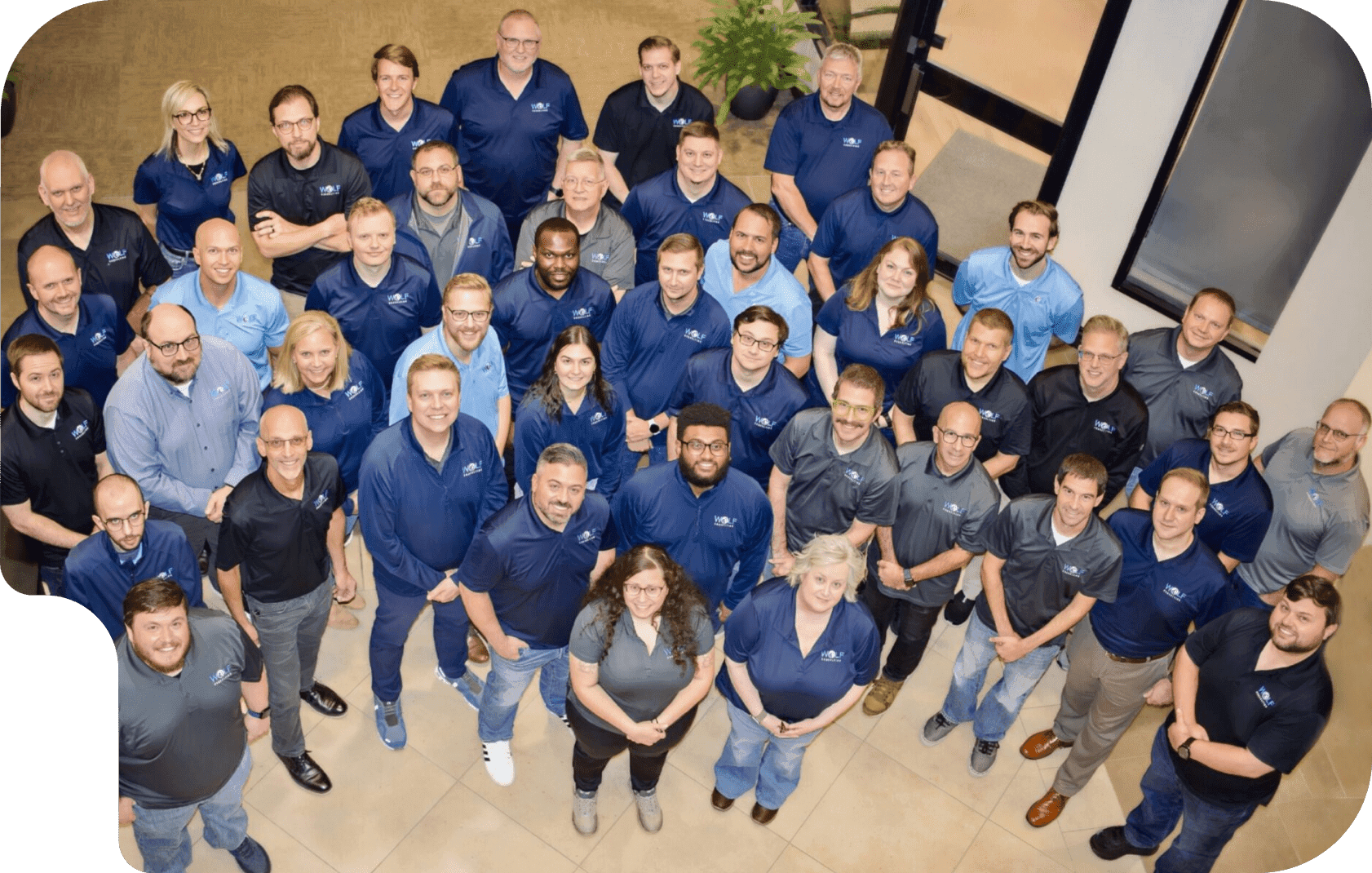
Wolf holds the GTIA Cybersecurity Trustmark and has secured around 250 organizations. For Wheeling businesses, the takeaway is that real protection is a maintained program with accountable people behind it, not a single box or subscription. Antivirus still has a place in that program, but it is one small piece of a much larger picture.