


















The Problem With Buying on Impulse
Technology purchases in small organizations often follow a familiar script. Something stops working, an employee complains loudly, and someone orders a replacement that afternoon. Nobody checks whether the new device matches the rest of the fleet, whether a better option is due next quarter or whether three other machines will fail next month for the same reason. The result is a mixed bag of equipment, uneven security and budgets that swing wildly from year to year.
Wolf addresses this through its vCIO service, a virtual Chief Information Officer included in managed agreements. It gives an organization senior-level technology planning without adding an executive salary to the payroll.
What the Roadmap Covers
The vCIO builds a one to three year technology roadmap tailored to your organization. It inventories what you have, estimates when each component will need attention and ranks improvements by business value and risk. Typical elements include:
- Forecasts that place expected hardware, software and security costs in specific budget periods
- Lifecycle schedules for laptops, desktops, servers, switches and firewalls
- License reviews that match subscriptions to how staff actually work
- Evaluation of new systems before you commit to a purchase or contract
Starting With Business Direction
Good technology planning begins with questions about the organization, not the hardware. Where will headcount be in two years? Will you add a site, perhaps across the state line in Maryland, or shift more staff to remote work? Do customers expect formal security assurances? Martinsburg sits at the heart of a metropolitan area that spans two states, and organizations here frequently have employees and clients on both sides. A roadmap that ignores those realities will miss the projects that matter most.
Once direction is clear, the vCIO lines up projects in a sensible order. Network upgrades may need to precede a phone system change. Identity and multi-factor authentication may need to come before opening remote access to more people.
Fewer Surprises, Better Conversations
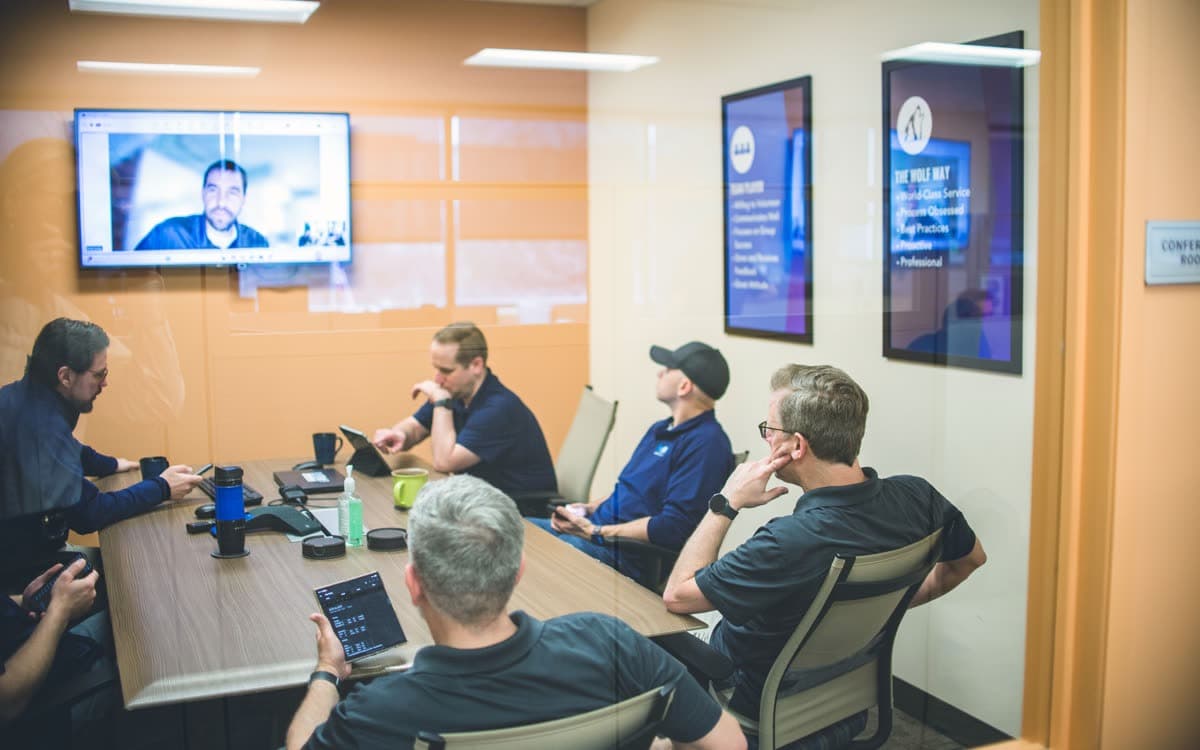
A written plan changes how leadership talks about technology. Owners can see costs coming, discuss tradeoffs with partners or boards and approve projects with confidence. Finance teams can budget accurately. Staff stop dreading the next failure because replacements happen before machines collapse.
Paired with Wolf's fixed monthly fee for ongoing support, the vCIO function makes nearly all IT spending forecastable. That predictability frees energy for the work that actually grows the organization. Regular review meetings keep the roadmap honest: the plan is compared with what really happened, priorities are adjusted and the next period is mapped out. More about Wolf's planning work is available on its strategic IT consulting page.
Even a small organization benefits from this discipline. A dozen laptops bought in the same week will tend to age out together, and a roadmap spreads that replacement across budget periods so it never lands as one painful bill.