









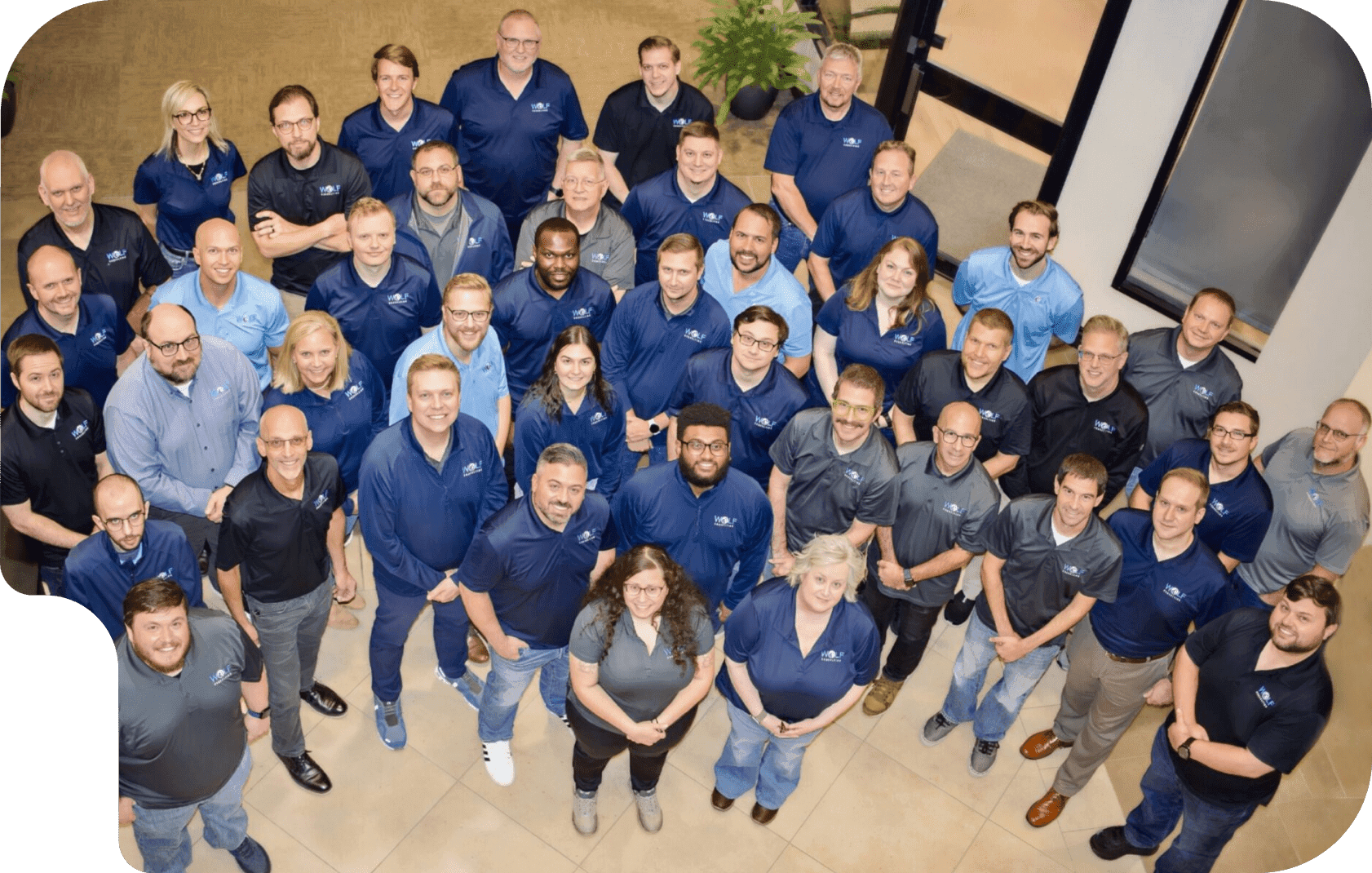






Start by learning how the business works
Changing IT providers should begin with discovery, not with a flood of ticket emails or rushed tool changes. Wolf treats onboarding as a planned project. Before alerts are tuned or software is replaced, the team learns how your company operates, which systems matter most, which vendors are involved, and where downtime creates the most business pain. That approach lowers disruption and avoids the common mistake of trying to manage technology before anyone understands the business behind it.
That discipline is especially helpful in Wexford, an unincorporated community in Allegheny County that is split across Franklin Park, McCandless, Pine Township, and Marshall Township. When addresses, internet circuits, vendors, and service records can be tied to different incorporated places, getting the details straight at the start prevents confusion later. Good onboarding connects people, locations, accounts, and vendors into one clear operating picture.
Document the environment and set a standard
After discovery, Wolf documents the network, devices, software, accounts, backup systems, and administrative access. The goal is simple: no mystery systems, no undocumented passwords, and no dependence on one person who happens to remember how something was set up. Clean documentation makes support faster later, but it also improves security because patching, backup checks, and access reviews all depend on knowing what is actually in the environment.
This is also the point where standardization begins. Security settings are reviewed, multi-factor authentication is enforced where needed, Microsoft 365 and Azure configurations are checked, endpoint protection is validated, and recurring weak spots are addressed. Onboarding is not just a data collection exercise. It is the period when a provider starts bringing the environment under control so day-to-day support becomes more predictable and less stressful for the business.
Stabilize the issues, then build the roadmap
Most companies switch MSPs because something has been bothering the team for too long: slow response, poor follow-through, surprise billing, or security work that never seems finished. Early in the relationship, Wolf focuses on stabilizing those active problems while keeping operations moving. Because support is delivered by a dedicated, US-based team rather than a rotating call center, the people helping you already know the documentation and history they helped build.
Once the basics are documented and the environment is steadier, the relationship moves into strategy. Wolf adds vCIO guidance with a one to three year technology roadmap, budget forecasting, and hardware lifecycle planning. For Wexford businesses in the Pittsburgh metropolitan area, that means local support from a Pittsburgh-based MSP, on-site when needed and remote otherwise, backed by a plan instead of guesswork.