


















Local presence matters, but so does range
Picking a managed service provider is partly a geography decision and partly an operations decision. For a company in Cranberry Township, being in southwestern Butler County and part of the Pittsburgh metropolitan area means you want an IT partner that can be available nearby when needed, but also has enough depth to support the whole business as it changes. A provider that is only close by, but thin on process or security, can still leave you carrying risk. A provider with depth but no real regional presence can be slow when hands-on work matters.
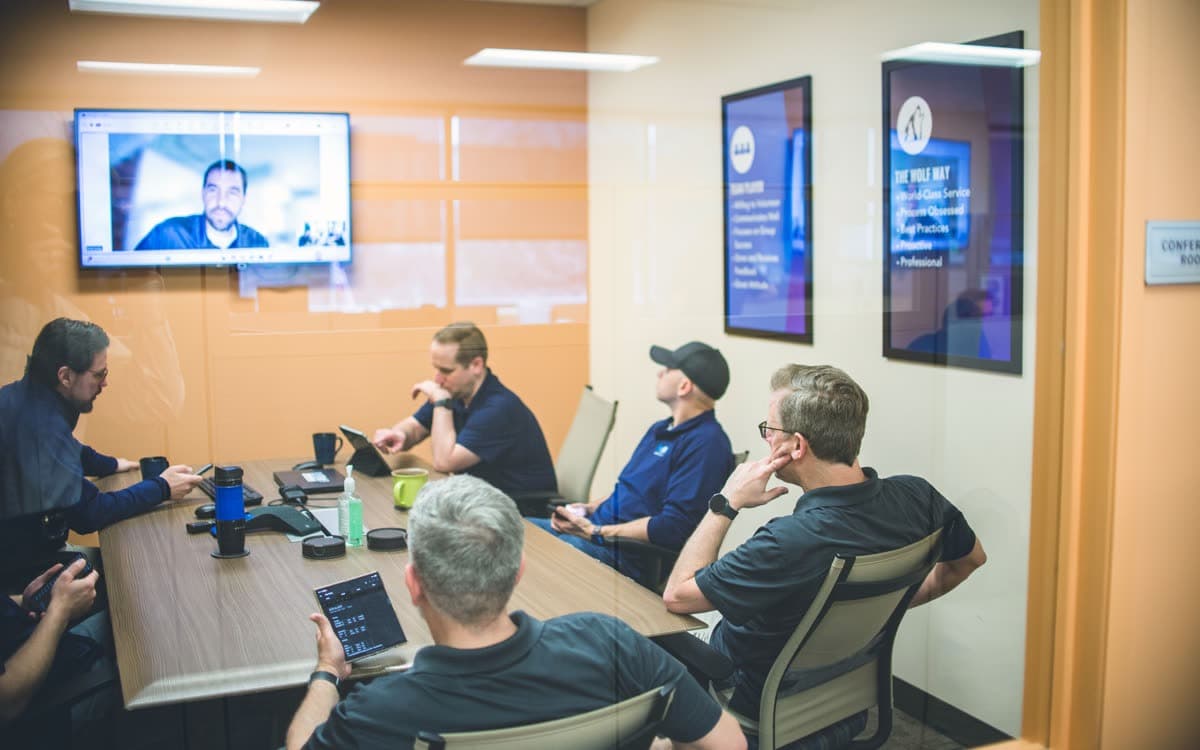
Wolf supports businesses throughout Western Pennsylvania from Pittsburgh, with remote support for daily issues and on-site visits when the work calls for it. That model fits a township in a fast-growing part of the metro area, where technology often needs to keep pace with hiring, new systems, and shifting security expectations. The goal is not just to fix tickets. It is to give your business a stable operating model for IT.
Questions that reveal how a provider actually works
Most providers sound similar until you ask a few direct questions. Who owns security tasks such as patching, endpoint protection, and backup oversight? Will you get a dedicated team or whichever technician happens to be free? Is support available around the clock? Are response commitments written into the agreement? If you already have internal IT, can the provider work in a shared model with responsibilities documented clearly?
Those details tell you whether you are looking at a true MSP or a company that still behaves like break-fix support with a new label. Wolf offers two clear models, fully managed IT and co-managed IT. In co-managed relationships, an accountability chart spells out who owns each area so nothing gets ignored because everyone assumed someone else had it.
Look for structure, not just friendliness
A good MSP should be easy to work with, but personality is not enough. Your business needs a provider with consistent onboarding, documented standards, a defined security stack, and a way to plan past the next support ticket. Wolf has been in business since 1989 and pairs support with vCIO planning, budget forecasting, hardware lifecycle planning, and vendor management. That combination helps owners and operations leaders make decisions with fewer surprises.
You should also understand the terms before signing. Wolf uses a fixed monthly fee with transparent pricing, one-year agreements, and easy exit clauses. That matters because a service relationship only works when accountability runs both ways. For companies in Cranberry Township, especially in a fast-growing part of the region, the best managed IT provider is not simply the closest one. It is the one that can support today’s workload while building order for what comes next.