

















Where Budgets Go Wrong
Most technology overspending is not caused by extravagance. It comes from timing. Equipment is replaced in a rush after it fails, often at full price and without comparing options. Software subscriptions pile up because nobody owns the list. Security improvements are bought all at once after a scare, rather than phased in sensibly. Each decision seems reasonable in the moment, but together they produce budgets that are higher than they should be and harder to predict.
A virtual Chief Information Officer, or vCIO, fixes the timing problem. Wolf includes this role in its managed agreements so that every client has someone thinking about technology a few years ahead.
The Tools a vCIO Uses
The vCIO's main deliverable is a one to three year technology roadmap. It is built from an inventory of your systems and a conversation about where the business is going. The roadmap then informs several related pieces of work:
- A budget forecast that assigns expected costs to specific periods
- A hardware lifecycle schedule so computers and network gear are retired before they fail
- A licensing review that trims unused subscriptions and fills real gaps
- Independent evaluation of new software, carriers or equipment before you sign
Grounded in the Business
The roadmap is not a shopping list. It starts with the company. Is a Plum business planning to add staff, move into a larger space, take on clients with stricter security requirements or prepare for a sale? Each scenario reorders the priorities. A firm expecting rapid hiring needs fast, standardized laptop setup and solid identity management. A company bidding on larger contracts may need documented security controls before anything else.
Because the plan explains costs and reasons in business language, owners can share it with partners, accountants or lenders. Technology stops being a mystery line item.
Proximity Helps Planning Too
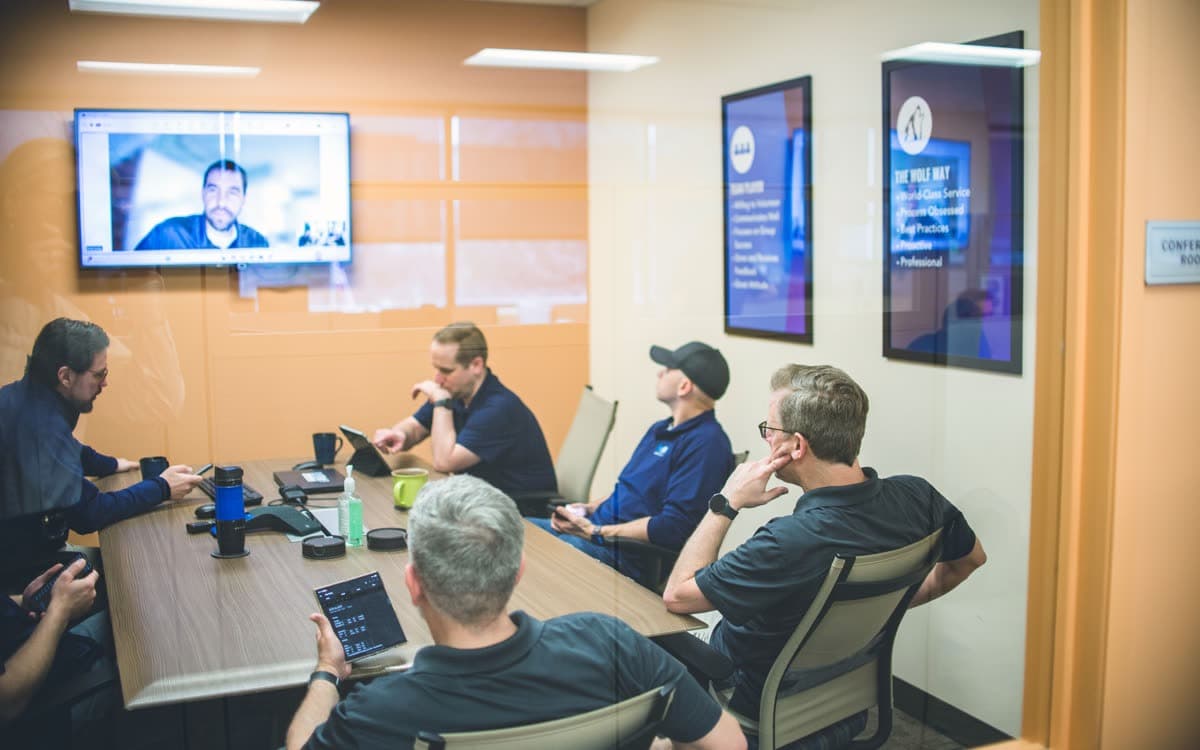
Plum sits in the East Hills suburbs northeast of Pittsburgh, close to Wolf's home base. That makes in-person planning sessions easy to arrange when leadership prefers to sit down and walk through the roadmap face to face, and it allows Wolf to look at equipment closets and work areas directly when evaluating upgrades.
What Changes After a Year
Clients who follow a roadmap typically see fewer emergency purchases, smoother upgrades and a security posture that improves steadily instead of in bursts. Combined with a fixed monthly fee for support, nearly all technology costs become forecastable. Review meetings compare the plan against reality and update it, so the roadmap stays useful rather than gathering dust. To see how this fits into broader advisory work, visit Wolf's strategic IT consulting page.